Introduction
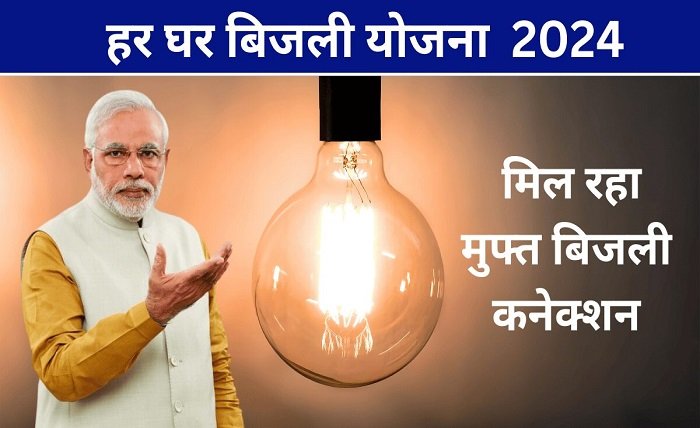
The vision of har ghar bijli represents a transformative movement aimed at ensuring every household has access to electricity. In today’s modern world, electricity is not just a luxury but a basic necessity, and the idea of har ghar bijli focuses on bridging the gap between developed and underserved regions. By promoting har ghar bijli, governments and organizations are working tirelessly to improve living standards, boost economic growth, and empower communities. The concept of har ghar bijli is deeply rooted in inclusive development, ensuring that no household remains in darkness.
Importance of Har Ghar Bijli in Modern Society
The significance of har ghar bijli cannot be overstated in today’s fast-paced world. Access to electricity through har ghar bijli enables better healthcare services, improved education systems, and enhanced communication networks. With har ghar bijli, children can study at night, hospitals can operate efficiently, and businesses can thrive without interruption. Furthermore, har ghar bijli contributes to safety and security by illuminating streets and homes. The initiative of har ghar bijli is a cornerstone for building a progressive and sustainable society.
Government Initiatives Supporting Har Ghar Bijli
Various government programs have played a vital role in promoting har ghar bijli across regions. These initiatives aim to provide reliable and affordable electricity connections to every household. Through policies focused on har ghar bijli, infrastructure development such as power grids, substations, and renewable energy projects has been accelerated. Subsidies and financial assistance have also been introduced to support har ghar bijli, ensuring that even economically weaker sections can benefit. The consistent push for har ghar bijli demonstrates a commitment to universal electrification.
Impact of Har Ghar Bijli on Rural Development
The implementation of har ghar bijli has had a profound impact on rural areas. Villages that once struggled with limited resources are now experiencing growth due to har ghar bijli. Agricultural productivity has increased as farmers use electric pumps and modern equipment, thanks to har ghar bijli. Small businesses are flourishing, creating employment opportunities and boosting local economies through har ghar bijli. Moreover, har ghar bijli has improved the overall quality of life by enabling access to modern amenities and services.
Role of Renewable Energy in Har Ghar Bijli
Renewable energy sources are playing a crucial role in achieving the goals of har ghar bijli. Solar, wind, and hydroelectric power are being integrated into the grid to support sustainable har ghar bijli initiatives. By leveraging renewable energy, har ghar bijli not only ensures electricity access but also reduces environmental impact. Off-grid solutions like solar home systems are particularly effective in remote areas where traditional infrastructure is challenging, further advancing har ghar bijli. The future of har ghar bijli lies in clean and sustainable energy solutions.
Challenges in Achieving Har Ghar Bijli
Despite significant progress, achieving complete har ghar bijli still faces several challenges. Infrastructure limitations, especially in remote and hilly areas, can hinder the expansion of har ghar bijli. Financial constraints and maintenance issues also pose obstacles to sustaining har ghar bijli initiatives. Additionally, ensuring consistent power supply is as important as providing connections under har ghar bijli. Addressing these challenges is essential for the long-term success of har ghar bijli and requires continuous effort and innovation.
Future of Har Ghar Bijli
The future of har ghar bijli looks promising as technology and policies continue to evolve. Smart grids, energy-efficient appliances, and digital monitoring systems are enhancing the effectiveness of har ghar bijli. With ongoing investments and innovations, har ghar bijli is expected to reach even the most remote corners. The integration of renewable energy and sustainable practices will further strengthen har ghar bijli initiatives. Ultimately, the vision of har ghar bijli is to create a world where every home enjoys uninterrupted and reliable electricity.
Conclusion
In conclusion, har ghar bijli is more than just an electrification program; it is a pathway to empowerment and development. By ensuring access to electricity, har ghar bijli is transforming lives, boosting economies, and creating opportunities for millions. The continued focus on har ghar bijli will pave the way for a brighter and more inclusive future. As efforts persist, the dream of har ghar bijli for every household becomes increasingly achievable, bringing light and hope to all.
FAQs
1. What is har ghar bijli?
Har ghar bijli refers to the initiative of providing electricity access to every household, ensuring universal electrification.
2. Why is har ghar bijli important?
Har ghar bijli is important because it improves quality of life, supports education, enhances healthcare, and boosts economic growth.
3. How does har ghar bijli benefit rural areas?
Har ghar bijli helps rural areas by increasing agricultural productivity, supporting small businesses, and improving living conditions.
4. What role does renewable energy play in har ghar bijli?
Renewable energy supports har ghar bijli by providing sustainable and eco-friendly power solutions, especially in remote areas.
5. What are the challenges in implementing har ghar bijli?
Challenges in har ghar bijli include infrastructure issues, financial constraints, and ensuring consistent power supply.