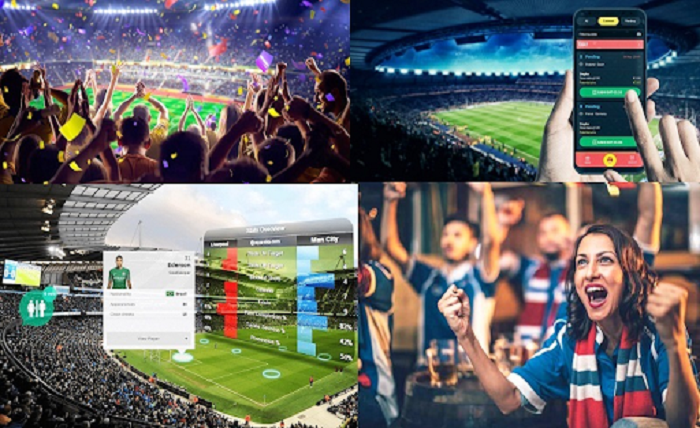
Digital media has reshaped sports in Bangladesh by making matches more accessible through streaming platforms and social media. Fans now follow live games, highlights, and athlete content online, creating stronger engagement and expanding sports audiences beyond traditional TV viewers.
Why digital media changed sports consumption in Bangladesh
Sports consumption in Bangladesh was once dominated by television and radio. Fans gathered around scheduled broadcasts, and access to live matches depended heavily on broadcasters.
That model has changed dramatically. With widespread smartphone adoption and affordable internet, fans now consume sports content anytime, anywhere, including through mobile-first platforms such as bc game download.
This shift has made sports more:
- Instant
- Interactive
- Personalized
Instead of waiting for TV coverage, fans now follow real-time updates and highlights on their devices.
The rise of streaming platforms in sports
Live streaming has become one of the most important changes in sports media.
Cricket remains the most streamed sport, especially events like the Bangladesh Premier League, which attracts large online audiences alongside traditional TV coverage.
Streaming platforms allow fans to:
- Watch matches live on mobile devices
- Access replays and highlights instantly
- Follow multiple games at once
- Engage through live chats and reactions
This has significantly expanded sports reach beyond urban television audiences.
Social media as a new sports ecosystem
Social media platforms have become central to sports culture in Bangladesh.
Fans now engage with:
- Match highlights
- Player interviews
- Behind-the-scenes content
- Memes and fan discussions
Platforms like Facebook, YouTube, and TikTok have turned sports into a continuous content cycle, not just a live-event experience.
Athletes themselves also use social media to build personal brands, connect with fans, and share training routines.
How fan engagement has changed
Earlier, fan engagement was mostly limited to stadium attendance or watching broadcasts.
Now, engagement is multi-layered:
Real-time interaction
Fans comment, react, and discuss matches as they happen.
Community building
Online fan groups and pages create digital communities around teams and players.
Content participation
Fans create memes, edits, and reactions that become part of sports culture.
This has made sports more participatory rather than passive.
Cricket leading the digital transformation
Cricket is the most digitally dominant sport in Bangladesh.
Major tournaments and leagues, especially those involving the national team and the Bangladesh Premier League, generate massive online engagement.
Key drivers include:
- High-frequency matches
- Star players with strong followings
- Short-format T20 excitement
- Viral highlight moments
Cricket content spreads quickly across platforms, making it the center of sports digital culture.
The role of athletes in digital branding
Athletes are no longer just performers—they are content creators.
Many Bangladeshi athletes now:
- Share training sessions online
- Post personal lifestyle content
- Engage directly with fans
- Collaborate with brands
This shift helps athletes build long-term careers beyond their playing years and increases their visibility.
Why younger audiences are driving change
Younger audiences are the biggest consumers of digital sports content.
They prefer:
- Short-form videos
- Instant highlights instead of full matches
- Interactive content like polls and live chats
- Multi-platform engagement
This behavior aligns naturally with social media and streaming platforms, accelerating digital transformation in sports.
Challenges in digital sports media
Despite rapid growth, several challenges remain:
- Monetization issues
Not all digital platforms generate stable revenue for leagues and broadcasters. - Content piracy
Unauthorized streaming and content sharing affect revenue models. - Unequal access
Rural areas still face connectivity and bandwidth limitations. - Content overload
Too much content can make it harder for official channels to stand out.
How clubs and leagues are adapting
Sports organizations are actively adjusting to digital trends.
They are:
- Investing in official streaming partnerships
- Creating social media teams for content production
- Launching mobile-friendly platforms
- Engaging influencers and content creators
These strategies help expand reach and strengthen fan loyalty.
The business impact of digital sports media
Digital transformation has also changed the economics of sports.
Key impacts include:
- Increased sponsorship opportunities through online visibility
- Growth in digital advertising revenue
- Data-driven fan targeting for brands
- New monetization models like subscriptions and pay-per-view
Sports are no longer just entertainment—they are digital business ecosystems.
Why this transformation is sustainable
The shift toward digital sports consumption is not temporary.
It is driven by:
- Long-term smartphone adoption
- Growing internet penetration
- Changing consumer habits
- Increasing demand for on-demand content
As infrastructure improves, digital engagement will only deepen further.
Where digital sports media in Bangladesh goes next
The future will likely focus on deeper personalization and interactivity.
Expected developments include:
- AI-driven personalized sports feeds
- More immersive live streaming experiences
- Stronger integration between social media and live sports
- Expansion of fan-driven content ecosystems
Sports consumption will become even more interactive and community-based.
FAQ
Q: How do fans watch sports in Bangladesh today?
A: Mostly through TV and digital streaming platforms, especially mobile-based services.
Q: Which sport is most popular online?
A: Cricket, particularly events like the Bangladesh Premier League, generates the highest engagement.
Q: Why is social media important for sports?
A: It allows real-time engagement, content sharing, and direct interaction between fans and athletes.
Q: Do athletes benefit from digital media?
A: Yes, they can build personal brands, attract sponsorships, and engage directly with fans.
Q: What are the main challenges of digital sports media?
A: Monetization, piracy, uneven internet access, and content saturation.