Har ghar bijli is more than just a government slogan; har ghar bijli represents a national vision of inclusive development where electricity reaches every household. The concept of har ghar bijli focuses on eliminating energy poverty and ensuring that no family remains in darkness due to lack of power access. Electricity is a basic necessity in modern life, and har ghar bijli recognizes power as a fundamental right that fuels education, healthcare, and economic activity.
Har ghar bijli plays a crucial role in national growth by connecting remote villages and urban slums alike. When har ghar bijli becomes a reality, it creates equal opportunities for students, entrepreneurs, and farmers. The availability of electricity under har ghar bijli helps reduce regional inequality and strengthens social inclusion across the country.
From a policy perspective, har ghar bijli aligns with India’s broader development goals, including digital India, smart cities, and rural upliftment. The success of har ghar bijli reflects how infrastructure development can directly improve the quality of life for millions of citizens.
Har Ghar Bijli and the Evolution of Rural Electrification
Har ghar bijli has transformed rural electrification from selective coverage to universal access. Earlier, electricity connections were limited to certain areas, but har ghar bijli changed the approach by focusing on last-mile connectivity. Through har ghar bijli, even geographically challenging villages are now connected to the power grid.
The impact of har ghar bijli in rural areas is significant because electricity enables irrigation, cold storage, and small-scale industries. With har ghar bijli, farmers can use electric pumps, children can study at night, and healthcare centers can function efficiently. Rural electrification under har ghar bijli has reduced migration by creating local employment opportunities.
Har ghar bijli also supports women empowerment in villages by reducing dependency on manual labor. Access to electricity through har ghar bijli allows women to use household appliances, access digital platforms, and participate in income-generating activities.
Har Ghar Bijli and Government Schemes Supporting Power Access
Har ghar bijli is closely linked with government initiatives designed to expand electricity access across India. Schemes like Saubhagya and Deendayal Upadhyaya Gram Jyoti Yojana were launched to ensure har ghar bijli reaches every household. These programs emphasize affordability, infrastructure development, and quick connections.
Under har ghar bijli initiatives, the government focused on providing free or subsidized electricity connections to economically weaker sections. This approach ensured that financial constraints did not prevent households from benefiting from har ghar bijli. Transparent monitoring and digital tracking strengthened accountability in implementation.
Har ghar bijli also benefited from public-private partnerships, where utilities and private players worked together to improve distribution networks. These collaborations enhanced efficiency and reliability, making har ghar bijli a sustainable long-term solution rather than a temporary achievement.
Har Ghar Bijli and Its Impact on Education and Healthcare
Har ghar bijli has a direct and powerful impact on education by enabling digital learning and extended study hours. With har ghar bijli, students can access online resources, attend virtual classes, and prepare for competitive exams. Schools powered by har ghar bijli can use smart boards, computers, and modern teaching tools.
In healthcare, har ghar bijli ensures uninterrupted power supply for hospitals, clinics, and diagnostic centers. Medical equipment, vaccine storage, and emergency services depend on electricity, making har ghar bijli a life-saving initiative. Rural health centers powered by har ghar bijli can offer better services and attract skilled professionals.
Har ghar bijli also improves public health by enabling clean cooking alternatives and reducing indoor pollution. Reliable electricity under har ghar bijli supports water purification systems and sanitation facilities, contributing to overall community well-being.
Har Ghar Bijli and Economic Growth Opportunities
Har ghar bijli acts as a catalyst for economic development by enabling small businesses and entrepreneurship. With har ghar bijli, local enterprises such as tailoring units, repair shops, and food processing businesses can operate efficiently. Electricity access under har ghar bijli lowers operational costs and increases productivity.
Industrial growth also benefits from har ghar bijli because a stable power supply attracts investment. Manufacturing units prefer regions where har ghar bijli ensures consistent electricity without frequent outages. This reliability boosts job creation and strengthens local economies.
Har ghar bijli supports the digital economy by enabling internet access and online services. From e-commerce to digital payments, har ghar bijli allows citizens to participate in modern economic systems, fostering financial inclusion and innovation.
Har Ghar Bijli and Renewable Energy Integration
Har ghar bijli is increasingly aligned with renewable energy solutions such as solar, wind, and hydro power. Off-grid solar systems play a crucial role in achieving har ghar bijli in remote areas where grid extension is difficult. Renewable integration makes har ghar bijli environmentally sustainable.
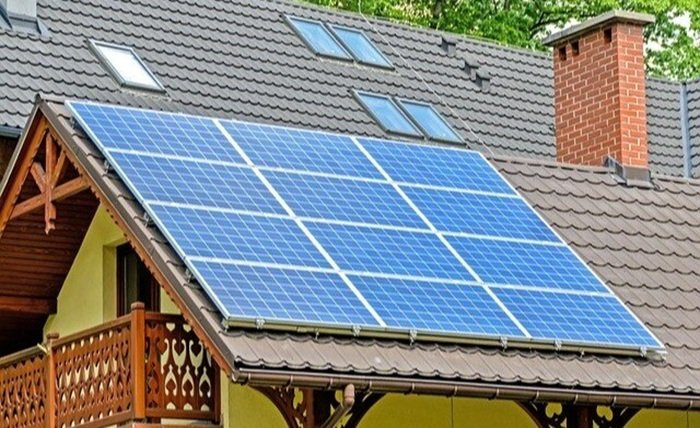
Through rooftop solar and microgrids, har ghar bijli reduces dependency on fossil fuels and lowers carbon emissions. Clean energy solutions under har ghar bijli also reduce electricity costs for households in the long run. This combination of access and sustainability strengthens energy security.
Har ghar bijli promotes innovation by encouraging startups and communities to adopt green technologies. Renewable energy-based har ghar bijli models demonstrate how development and environmental protection can go hand in hand.
Har Ghar Bijli: Challenges, Solutions, and the Road Ahead
Har ghar bijli faces challenges such as power distribution losses, infrastructure maintenance, and affordability. Despite connections, ensuring reliable supply remains a priority for har ghar bijli. Addressing these issues requires modernization of grids and efficient energy management.
Solutions for strengthening har ghar bijli include smart meters, energy storage, and improved billing systems. Community awareness programs help households understand efficient usage, making har ghar bijli more sustainable. Policy reforms and investments are key to overcoming operational challenges.
The future of har ghar bijli lies in continuous improvement and innovation. By combining technology, governance, and citizen participation, har ghar bijli can evolve from access to excellence, ensuring quality power for every home.
Conclusion
Har ghar bijli is not just about lighting homes; har ghar bijli is about empowering people and transforming society. From education and healthcare to business and sustainability, har ghar bijli touches every aspect of modern life. Its success reflects the power of inclusive infrastructure development.
As India moves forward, har ghar bijli will remain a cornerstone of growth and equality. Strengthening reliability, affordability, and sustainability will ensure that har ghar bijli continues to uplift communities and fuel national progress.
1: What does har ghar bijli mean?
Har ghar bijli means providing electricity access to every household, ensuring that no home is left without power regardless of location or income.
2: Which government scheme supports har ghar bijli?
Har ghar bijli is supported by schemes like Saubhagya and Deendayal Upadhyaya Gram Jyoti Yojana, focusing on universal electrification.
3: How does har ghar bijli help rural development?
Har ghar bijli supports rural development by enabling irrigation, education, healthcare, and small businesses through reliable electricity access.
4: Is renewable energy part of har ghar bijli?
Har ghar bijli increasingly uses renewable energy such as solar power to reach remote areas and promote sustainable electrification.
5: What is the future of har ghar bijli in India?
The future of har ghar bijli focuses on improving power quality, integrating clean energy, and ensuring affordable electricity for all households.